
AIRPLANE LAWYER NETWORK
Cases We Handle
Falling Luggage
Sliding Beverage Carts
Burns from hot liquids
Cuts from exposed metal
Slips, trips, and falls
Turbulence Accidents
The Airplane Accidents and the Smartest Claim Options
Air accident claims relate to bodily injury suffered during air travel. In many cases, personal injury is suffered when boarding or disembarking or during a flight. There are many reasons for this. The rules governing claims for damage to health suffered during a flight are set out in the Montreal Convention of 1999. The best Bronx injury lawyers are now available for these matters.
These rules have been set by most developed countries in order to harmonize worldwide rules defining air travel and protecting passengers by setting minimum standards of liability and the scope of compensation due to passengers for damage suffered. The airplane injury lawyer is the best option now.
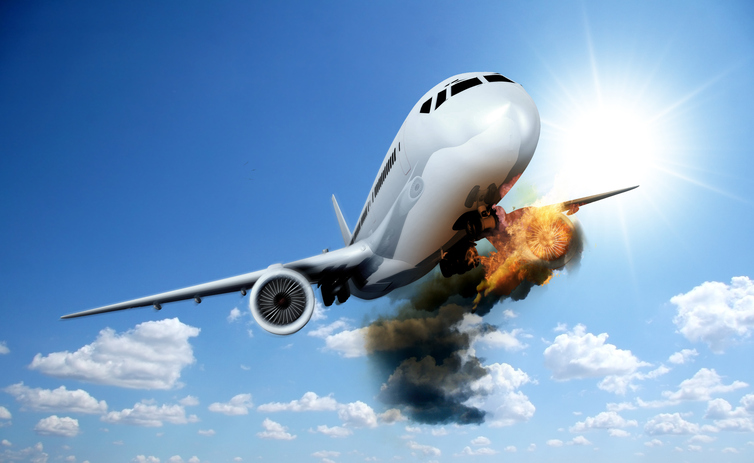
Typical Types Of Accident Claims
There are many different causes of accidents on board during a flight. Here are some of the most common scenarios in which an in-flight accident can lead to injury:
Death or injury of passengers in this case, the air carrier is liable for damages to passengers, provided that the accident occurs on board the aircraft or when boarding or leaving the deck. PA Medical Malpractice Lawyers P.C. can guide you there. These accidents can happen because of:
- Items falling from unsecured luggage hatches
- Serving hot food and hot drinks
- Slips, trips or falls on board
Unexpected Turbulence
Damage, destruction or loss of checked baggage in this case the carrier is liable in cases where the damage, destruction or loss of baggage occurred on board the aircraft or at any time when the baggage was in the carrier’s possession when the carrier was responsible for it. It is important to remember that no compensation can be claimed if your checked baggage was unmarked, open or of poor quality. In the case of unchecked hand baggage, airlines are liable for damage caused by airline employees. The best law firm can come up with the best results there.
Cargo damage: Airlines are required to pay compensation for damage to baggage in the hold of the aircraft if the damage occurred during the flight.
Filing A Claim For An Aviation Accident
Those who have suffered an accident during a flight and as a result of which they suffered injuries should first seek medical assistance. Getting medical help thousands of meters above the ground is not so easy, but all the flight attendants have completed the first aid course and the course by which they know what to do if someone has been injured. At the law firms you can get the best consultation for the same. If you have suffered injuries during your air travel, it is important that you arrange to see a doctor as soon as possible after landing, regardless of whether you think your injury is minor. In some cases, these minor injuries can be a serious threat to your health. It is an attorney that you can find for these matters. If you were injured in an airplane accident, we recommend visiting Pittsburgh Injury Lawyers P.C. at https://www.pittsburgh-injury-lawyers.com/
To file a claim for an accident, you must take the following steps:
Collect documentation about the accident as with any injury claim, documenting the course of the accident is very important. You need to get:
- Personal details of accident witnesses; their names and contact details,
- Names and contact details of airline employees involved in the accident
- Take pictures of the accident site and your injuries from different perspectives; this will help your lawyer understand how the accident happened. The Queens injury attorneys are here with the best skills and experiences for the same now.
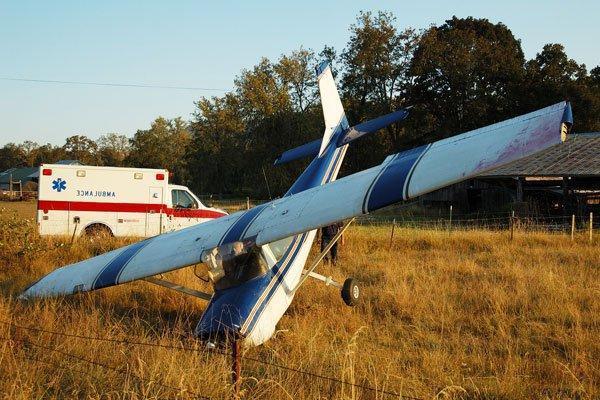
Time And Date Of The Accident
Report an accident: it is important to report the accident to airline employees. You may be asked by the airlines to complete an accident form to provide information on how the accident happened and what injuries you have suffered. The legal cases are there with the finer options present now and that too within your options.
Contact an air accident lawyer: it’s a good idea to get a personal injury lawyer to consult your case and the air accident claim procedure. This will ensure that you take the right action at the right time the claim procedure may depend on the location of the accident.
What Legal Solutions Can I Look For Regarding An Air Accident?
Ordinary Damage: Non-pecuniary damage, such as pain and suffering, and physical and emotional damage caused by an accident on board an aircraft. The personal options are present for you now.
It is worth noting here that according to the Montreal Convention of 1999, you can apply for compensation for bodily injury suffered during a flight, but you cannot claim compensation for psychological trauma suffered during a flight.
Special damages: Current expenses incurred following an air accident, e.g. loss of earnings if you have not worked, medical bills and additional travel costs related to the accident, e.g. travel to and from the hospital.
Material Damage: Material damage refers to the damage that your personal property has suffered. In an aviation accident, property damage is defined as e.g. damage to personal luggage. Search with the lawyers near me option and you can have the best time.
Client Reviews
Great Firm
– Dawn Fitz
Very Professional and Helpful
– Krista Stuhr
Contact Us